Tabbouleh's Journey: From Levantine Roots to a Global Mezze Staple
Few dishes encapsulate the vibrant spirit and rich culinary heritage of the Levant quite like
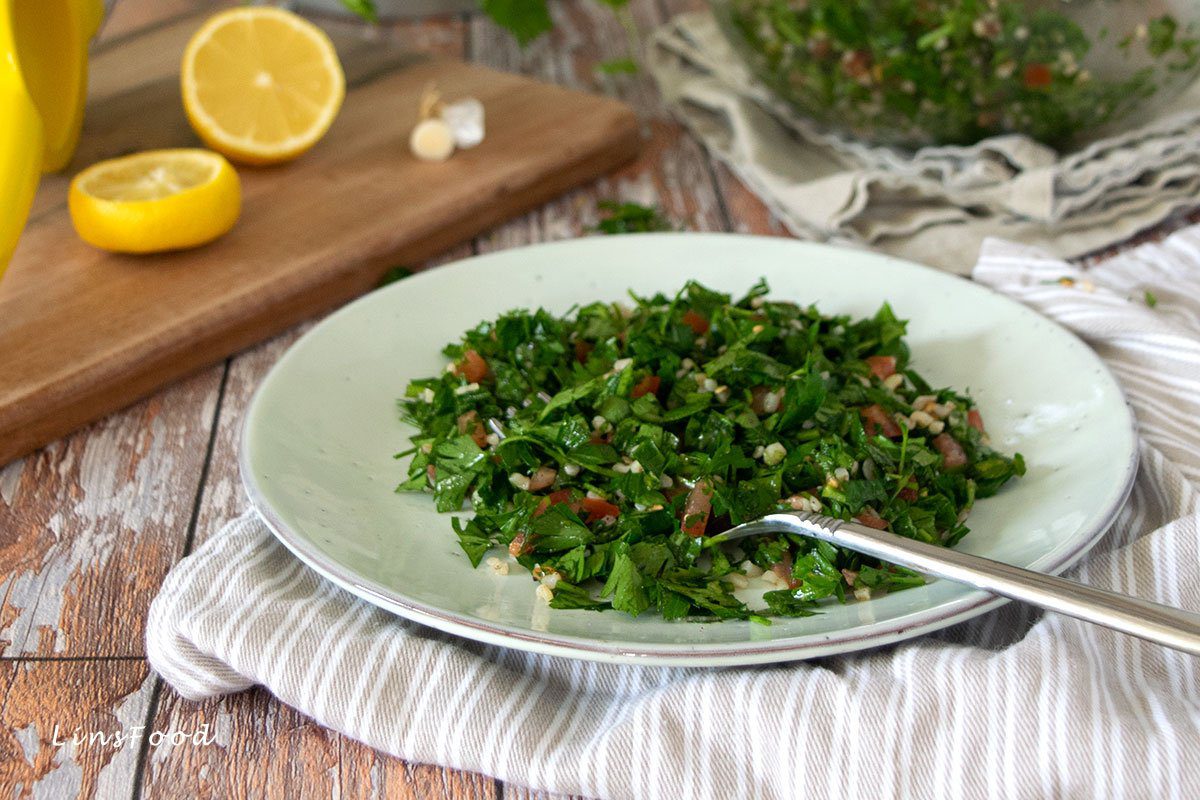
tabbouleh. This iconic salad, often mischaracterized as a grain dish, is in fact a celebration of fresh herbs, a testament to the region's agricultural abundance and a cornerstone of Middle Eastern hospitality. From its humble origins in the mountainous valleys of Lebanon and Syria to its ubiquitous presence on mezze platters worldwide, tabbouleh has embarked on a remarkable journey, captivating palates with its refreshing zest and distinctive herbaceous profile.
The Heart of Tabbouleh: An Herb-First Philosophy
What truly sets
tabbouleh apart from other salads is its profound emphasis on fresh herbs, particularly parsley. Unlike many salads where grains or vegetables form the bulk, authentic tabbouleh champions the herbaceous. Imagine a symphony of finely chopped fresh parsley and mint, where the bulgur wheat plays a supporting role rather than the lead. Traditionally, a true Levantine tabbouleh can feature up to three times more herbs than bulgur, creating an intensely refreshing and aromatic experience that instantly brightens any meal.
This "herb-first" philosophy is not merely a preference; it's a defining characteristic that distinguishes tabbouleh from grain-heavy salads around the globe. The vibrant green hue, the pungent burst of parsley, and the cooling essence of mint are the true stars, delivering a complex flavor profile that is both invigorating and deeply satisfying. It's this dedication to fresh, aromatic greens that makes tabbouleh an indispensable component of the healthy Mediterranean diet, packed with vitamins, minerals, and antioxidants. For a deeper dive into this unique characteristic, explore
Tabbouleh Unpacked: Why This Levantine Dish is an Herb Salad, Not Grain.
A Taste of History: Tabbouleh's Levantine Roots
The story of
tabbouleh is deeply intertwined with the history and geography of the Eastern Mediterranean. Originating in the fertile lands of the Levant, particularly the Bekaa Valley in Lebanon and the mountainous regions of Syria, this salad reflects centuries of agrarian life. Bulgur wheat, derived from parboiled wheat, has been a staple grain in these ancient civilizations since antiquity, providing a hardy and versatile base for many dishes. Combined with an abundance of wild herbs and seasonal produce, precursors to modern tabbouleh likely nourished local communities for generations.
The very word "tabbouleh" itself offers a linguistic glimpse into its essence. It stems from the Levantine Arabic term "tabbūle" or "tabbūlah," related to "tābil," meaning "seasoning" or "spice." This etymology, rooted in the Semitic verb "t-b-l" (to season or to dip), perfectly captures the salad's role as a vibrant, flavor-enhancing accompaniment. It began to enter the English lexicon in the late 1930s and gained wider recognition by the 1950s, largely thanks to the burgeoning Lebanese and Syrian diaspora communities who brought their cherished culinary traditions to new shores. Variations in spelling, such as "tabouli" and "tabouleh," are simply reflections of regional phonetic differences and transliteration into Western languages.
Crafting the Perfect Tabbouleh: Ingredients and Technique
While its essence is simple, crafting an exceptional
tabbouleh requires attention to detail and a commitment to fresh, high-quality ingredients. The magic lies in the harmony of its components:
*
Fine Bulgur Wheat: Essential for its subtle chewiness and quick hydration. Unlike coarser bulgur, fine bulgur doesn't require cooking; it simply softens beautifully in the salad's juices.
*
Fresh Parsley (Curly Preferred): This is the undisputed star. Choose vibrant, crisp bunches and ensure it's very finely chopped to release its bold, aromatic freshness.
*
Fresh Mint: A vital supporting actor, mint adds a cooling, fragrant counterpoint to the parsley.
*
Ripe Tomatoes: Roma tomatoes are often preferred for their firm flesh and lower water content, delivering juicy sweetness without making the salad watery.
*
Green Onions (Scallions): These provide a mild, essential pungency that rounds out the herb profile.
*
Extra-Virgin Olive Oil: A high-quality olive oil is crucial for the dressing, adding a fruity richness and binding the flavors.
*
Freshly Squeezed Lemon Juice: The bright, tangy kick of fresh lemon juice is non-negotiable, bringing all the ingredients to life.
*
Salt and Black Pepper: Seasoning to taste is key to balancing the vibrant flavors.
The preparation technique is just as important as the ingredients. Traditional tabbouleh is meticulously prepared by hand-chopping the herbs and vegetables to preserve their distinct textures and prevent bruising. The fine bulgur is typically soaked, often just by tossing it with the lemon juice and allowing it to absorb the liquid and vegetable juices. A crucial tip for optimal flavor is to allow the prepared tabbouleh to rest for at least 30 minutes, or even better, several hours or overnight. This resting period allows the bulgur to fully soften and the flavors to meld and intensify, often improving significantly by the next day. For a step-by-step guide to mastering this classic, check out
How to Make Authentic Tabbouleh: Your Guide to the Best Lebanese Salad.
Tabbouleh's Global Embrace: More Than Just a Salad
From its status as a beloved mezze appetizer in Middle Eastern homes, often served alongside grilled meats, pita bread, or fresh lettuce leaves for wrapping,
tabbouleh has gracefully transitioned into a global culinary favorite. Its international popularity has soared, largely driven by diaspora communities who shared their treasured recipes, introducing its healthy and delicious profile to new cultures.
Beyond its incredible taste, tabbouleh offers substantial health benefits. It's naturally vegan, gluten-free (if you substitute quinoa or finely chopped cauliflower for bulgur in variations, though traditional uses bulgur), and packed with nutrients. The abundance of fresh greens provides a rich source of vitamins (A, C, K), while the bulgur contributes valuable fiber, aiding digestion and promoting satiety. This nutrient-dense profile makes it a popular choice for health-conscious eaters seeking flavorful and wholesome options. While some modern variations might incorporate ingredients like cucumber, the authentic version prides itself on simplicity and the unadulterated dominance of its primary herbs, ensuring its characteristic light and refreshing essence remains intact.
Conclusion
Tabbouleh is far more than just a salad; it's a culinary journey, a vibrant cultural emblem, and a testament to the timeless appeal of fresh, simple ingredients. Its refreshing taste, historical depth, and undeniable health benefits have cemented its place as a beloved global staple, bringing a piece of the Levantine heart to tables worldwide. Whether enjoyed as part of an elaborate mezze spread or as a simple, vibrant side dish, tabbouleh continues to delight with every herbaceous, zesty bite.