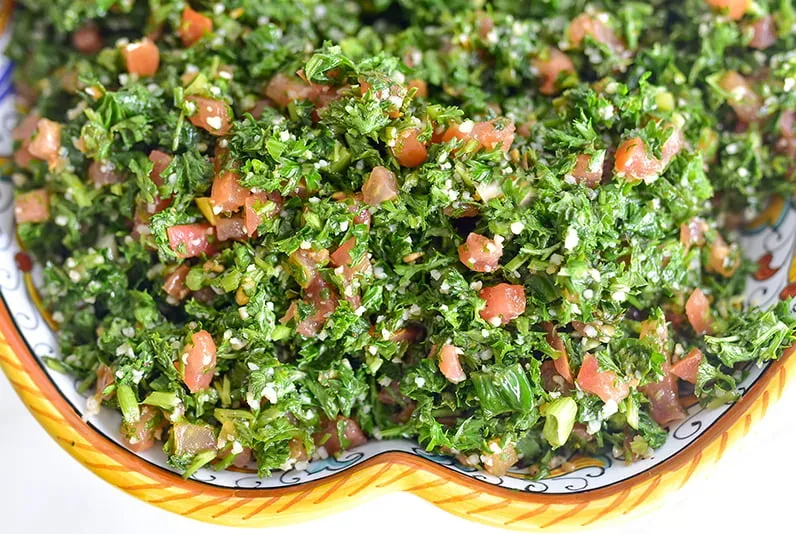
How to Make Authentic Tabbouleh: Your Guide to the Best Lebanese Salad
Embark on a culinary journey to the heart of the Levant with tabbouleh, a vibrant and incredibly refreshing salad that transcends mere side dish status. Often hailed as the jewel of Lebanese cuisine, authentic tabbouleh is far more than a simple grain salad; it's a celebration of fresh herbs, bright flavors, and meticulous preparation. If you've ever savored its zingy aroma and irresistible texture, you know there's a delicate balance that makes truly great tabbouleh unforgettable. This comprehensive guide will walk you through the traditions, techniques, and essential ingredients to create a homemade tabbouleh that rivals your favorite Lebanese restaurant.
Unpacking Authentic Tabbouleh: An Herb Salad, Not a Grain Salad
To understand authentic tabbouleh is to understand its philosophy: it is an herb salad first and foremost, with grains playing a supporting role. Originating from the Eastern Mediterranean, particularly cherished in Lebanese and Syrian households, this traditional Levantine dish is distinguished by its generous proportion of finely chopped fresh herbs. Historically rooted in the fertile lands of the Bekaa Valley, where wild herbs and grains were abundant, tabbouleh reflects the region's agricultural bounty and ancient culinary wisdom. Its name itself, deriving from the Levantine Arabic word tabbūle, is related to tābil, meaning "seasoning" or "spice," hinting at its intensely flavorful profile. For a deeper dive into this fascinating distinction, explore Tabbouleh Unpacked: Why This Levantine Dish Is an Herb Salad, Not Grain.
Many modern interpretations often misrepresent tabbouleh by overemphasizing bulgur wheat, turning it into a heavy grain salad. However, the traditional recipe prioritizes a refreshing, herbaceous profile. The authentic approach calls for a ratio of herbs that can be up to three times more than the bulgur, ensuring that every bite is bursting with green freshness. This emphasis creates a light, invigorating dish perfect for any occasion, embodying the seasonal, local farming practices prevalent in its origins. Its inherent vegan nature and nutrient-dense profile, rich in vitamins from greens and fiber from bulgur, also contribute to its global appeal and healthy reputation.
The Essential Ingredients for Your Best Tabbouleh
The beauty of authentic tabbouleh lies in the simplicity and quality of its components. Each ingredient plays a vital role in creating its characteristic zingy, fragrant, and intensely refreshing taste. Compromising on quality here means compromising on the final result.
- Fresh Curly Parsley: This is the undisputed star of the show. Insist on fresh, vibrant curly parsley (not flat-leaf, which can be too delicate and less voluminous). You'll need a substantial amount—think several large bunches. Its robust texture and slightly bitter, clean flavor are crucial.
- Fresh Mint Leaves: A critical aromatic component, fresh mint adds a cooling, pungent counterpoint to the parsley. Spearmint is often preferred for its brighter, sweeter notes. Ensure leaves are fresh and free from wilting.
- Ripe Roma Tomatoes: Opt for firm, ripe Roma tomatoes. Their lower water content and meaty texture make them ideal. Chopping them finely (and optionally deseeding for less moisture) ensures they integrate beautifully without making the salad watery.
- Fine Bulgur Wheat: This is key! Do NOT use medium or coarse bulgur. Fine bulgur is essential because it softens simply by absorbing the liquids from the salad and the dressing—no cooking required. It provides a subtle chewiness and structure without overwhelming the herbs.
- Green Onions (Scallions): These provide a mild, sweet pungency that enhances the overall flavor without being overpowering like regular onions. Use both the white and green parts, finely chopped.
- Extra-Virgin Olive Oil: As with any simple dish, the quality of your olive oil shines through. Use a good-quality extra-virgin olive oil for its fruity notes and smooth richness.
- Freshly Squeezed Lemon Juice: The quintessential bright, tangy element. Always use freshly squeezed lemon juice – bottled juice simply won't yield the same vibrant flavor.
- Salt and Black Pepper: Season generously to taste. Salt brings out the natural flavors of the vegetables, and a hint of black pepper adds a subtle warmth.
Step-by-Step Guide to Crafting Your Perfect Tabbouleh
The secret to exceptional tabbouleh lies not just in the ingredients, but in the preparation. Patience and precision, especially with chopping, are paramount.
1. Prepare the Bulgur (No Cooking Required!)
Measure your fine bulgur wheat into a small bowl. Traditionally, the bulgur is simply rinsed quickly and then allowed to hydrate and soften from the moisture of the chopped vegetables and dressing. Some recipes suggest a quick soak in a small amount of warm water or lemon juice for 10-15 minutes, then squeezing out any excess liquid. However, for truly authentic, less mushy tabbouleh, trust the vegetables' natural juices. You can even mix the bulgur with a tablespoon or two of lemon juice first and let it sit while you chop everything else.
2. The Art of Fine Chopping
This is arguably the most crucial step. Authentic tabbouleh relies on incredibly fine, consistent chopping, done by hand. Resist the urge to use a food processor, as it tends to bruise the herbs, release too much moisture, and create a mushy texture rather than distinct pieces. A sharp chef's knife is your best friend here.
- Parsley and Mint: Wash and thoroughly dry the herbs. Remove any thick stems. Bunch the parsley tightly and chop it as finely as possible. Repeat with the mint. Aim for a texture that's almost like a coarse meal, but still clearly distinct pieces.
- Tomatoes: Wash and deseed the tomatoes (this prevents the salad from becoming watery). Finely dice them into tiny cubes, similar in size to your chopped herbs.
- Green Onions: Trim and finely slice the green onions, using both white and green parts.
3. Combine and Dress
- In a large mixing bowl, combine the finely chopped parsley, mint, tomatoes, and green onions.
- Add the softened bulgur wheat to the bowl.
- Pour in the extra-virgin olive oil and freshly squeezed lemon juice.
- Season generously with salt and black pepper. Start with a smaller amount and adjust to taste.
- Gently toss all the ingredients together with a large spoon or your hands, ensuring everything is evenly coated and mixed. Be careful not to mash the ingredients.
4. The Essential Resting Period
Once mixed, cover the bowl and refrigerate the tabbouleh for at least 30 minutes, or ideally, 1-2 hours. This resting period is vital. It allows the flavors to meld beautifully, and the bulgur to fully absorb the juices and dressing, resulting in a more cohesive and flavorful salad. Many connoisseurs agree that tabbouleh tastes even better the next day, as the ingredients have had ample time to marry.
Serving Suggestions and Beyond
Authentic tabbouleh is incredibly versatile and forms a cornerstone of Middle Eastern cuisine. It traditionally serves as a refreshing mezze appetizer, often alongside other small dishes like hummus, baba ghanoush, and labneh. Its bright flavors perfectly cut through the richness of grilled meats, making it an excellent accompaniment to kebabs, shawarma, or roasted chicken. For a classic experience, scoop it up with fresh pita bread or use crisp lettuce leaves (such as romaine hearts) as edible wraps.
While the authentic version prioritizes simplicity and the dominance of herbs, modern variations sometimes include additions like finely diced cucumber. However, if your goal is pure, traditional Lebanese tabbouleh, sticking to the core ingredients is recommended to maintain its distinctive light and herbaceous character. Tabbouleh's journey from its Levantine roots to a global mezze staple is a testament to its enduring appeal and adaptability. Learn more about its widespread influence in Tabbouleh's Journey: From Levantine Roots to a Global Mezze Staple.
This nutrient-dense salad isn't just delicious; it's also packed with health benefits, offering a rich source of vitamins from the abundant fresh greens and fiber from the bulgur wheat. It's naturally vegan, making it a fantastic option for a wide range of dietary preferences.
Making authentic tabbouleh at home is a rewarding experience that connects you to centuries of culinary tradition. By focusing on fresh, quality ingredients and mastering the art of fine chopping, you can create a vibrant, flavorful, and truly refreshing salad that will transport your taste buds straight to the sun-drenched shores of the Mediterranean. So gather your herbs, sharpen your knife, and prepare to delight in the magic of homemade Lebanese tabbouleh!
