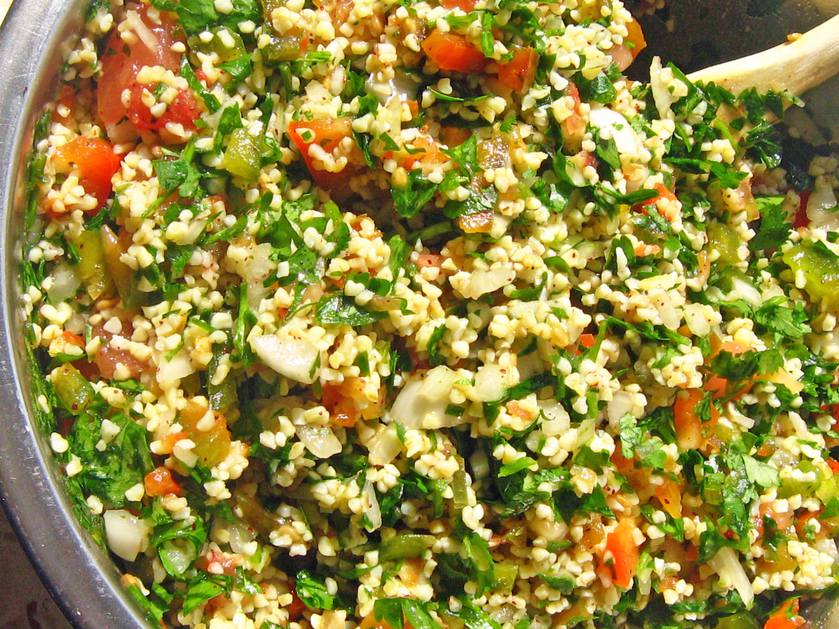
Tabbouleh Unpacked: Why This Levantine Dish Is an Herb Salad, Not Grain
Often misunderstood and sometimes misprepared, tabbouleh stands as a testament to the vibrant culinary traditions of the Levant. While many might mistakenly categorize it as a grain salad due to the presence of bulgur wheat, true, authentic tabbouleh is unequivocally an herb salad, with grains playing a supporting, albeit crucial, role. This refreshing, aromatic dish, deeply rooted in Lebanese and Syrian cuisine, prioritizes the burst of fresh parsley and mint, creating a profile that is light, zingy, and intensely herbaceous.
Originating from the Eastern Mediterranean, tabbouleh is much more than a side dish; it's a celebration of seasonal produce and mindful preparation. Its distinct character comes from a generous hand with finely chopped herbs, juicy tomatoes, a whisper of bulgur, and a bright, zesty dressing of olive oil and lemon juice. As we delve into the heart of this iconic Levantine creation, we'll uncover why its identity as an herb-forward salad is not just a preference, but a defining characteristic that sets it apart.
The True Essence of Tabbouleh: An Herb-Dominant Masterpiece
The most fundamental aspect distinguishing authentic tabbouleh from its many imitations or grain-heavy cousins is the sheer volume of fresh herbs. Imagine a salad where the bulgur wheat is merely a textural accent, providing a subtle chewiness without ever dominating the flavor profile. This is the essence of true tabbouleh. Traditional recipes often call for up to three times more finely chopped fresh herbs, primarily parsley, than bulgur, elevating the greens from a garnish to the unquestionable star of the show.
This emphasis on herbs is not accidental; it reflects the agricultural bounty of the Levantine region, where wild herbs and fresh produce have been staples for centuries. The refreshing, sometimes pungent, and intensely aromatic qualities of parsley and mint are central to the dish's identity. They provide not only a vibrant green hue but also a complex flavor that is both cleansing and invigorating. This isn't just a recipe; it's a philosophy, a culinary choice that prioritizes freshness, vibrancy, and the natural goodness of the earth.
The Star Ingredients: Beyond the Bulgur
- Parsley (The Unsung Hero): Curly parsley is traditionally preferred for its texture and ability to hold up in the salad, but flat-leaf can also be used. Its meticulous hand-chopping is crucial, releasing its essential oils and integrating it seamlessly into the salad without becoming pulpy. Parsley offers a refreshing, slightly peppery, and earthy foundation.
- Fresh Mint (The Aromatic Partner): Mint provides that indispensable "zing" and a cooling counterpoint to the parsley. Its fragrant leaves are also finely chopped, adding another layer of aromatic complexity that defines the unique taste of tabbouleh.
- Bulgur Wheat (The Textural Backbone): Fine bulgur wheat is the choice here, not coarse. It’s parboiled, dried, and cracked wheat, requiring minimal rehydration – often just from the juices of the tomatoes and the dressing. Its role is to add a slight chewiness and absorb the vibrant flavors, not to fill you up like a main grain dish.
- Ripe Tomatoes (Juice and Sweetness): Roma tomatoes are often favored for their firm flesh and intense flavor. When finely diced, they release their juices, which are vital for softening the bulgur and integrating all the flavors.
- Green Onions/Scallions (Mild Pungency): These add a delicate oniony bite without overpowering the herbs, contributing a subtle layer of flavor and crunch.
- The Dressing (The Unifying Elixir): A simple yet powerful blend of extra-virgin olive oil, freshly squeezed lemon juice, salt, and black pepper. This dressing doesn't just coat; it emulsifies, tenderizes, and brightens every single component, binding them into a harmonious whole.
A Culinary Journey: Tabbouleh's Ancient Roots and Evolution
The story of tabbouleh is as rich and layered as its flavors, tracing back centuries to the mountainous regions of Lebanon and Syria, particularly the fertile Bekaa Valley. Here, in agrarian societies where wild herbs and grains were plentiful, a dish emphasizing fresh produce and simple preparation naturally emerged. While modern tabbouleh as we know it took shape over time, scholars suggest that precursors, likely more herb and vegetable-heavy, have been part of Levantine traditions for millennia.
The very name "tabbouleh" offers a clue to its heritage. It derives from the Levantine Arabic word tabbūle or tabbūlah, related to tābil or tābal, meaning "seasoning" or "spice." This etymology, rooted in the Semitic T-B-L, signifying "to season" or "to dip," highlights the dish's fundamental role in seasoning and complementing meals, rather than being a standalone heavy grain offering. It entered the English lexicon in the mid-20th century, largely propelled by diaspora communities from Lebanon and Syria who carried their cherished culinary traditions across the globe.
This global spread has cemented tabbouleh's place on international menus, admired for its fresh taste and healthy profile. Its journey from a local staple to a global mezze superstar is a fascinating one, reflecting the enduring appeal of simple, wholesome, and flavorful food. To learn more about how this dish captivated palates worldwide, explore Tabbouleh's Journey: From Levantine Roots to a Global Mezze Staple.
Crafting Authentic Tabbouleh: Tips for the Home Cook
Creating authentic tabbouleh at home is a deeply rewarding experience, transforming simple ingredients into a dish that sings with flavor. The key lies in respect for tradition and attention to detail:
- Hand-Chopping is King: Resist the urge to use a food processor for the herbs. Hand-chopping ensures a consistent, fine texture that prevents the herbs from bruising and becoming watery or pasty. This preserves their vibrant color and robust flavor.
- Quality Over Quantity: Since so few ingredients are involved, the quality of each component truly shines through. Opt for the freshest curly parsley and mint, ripe Roma tomatoes, and good quality extra-virgin olive oil and fresh lemons.
- The Bulgur Soaking Method: Fine bulgur doesn't require cooking. Instead, it's typically hydrated by mixing it with the finely diced tomatoes and green onions, allowing it to soak up their natural juices for about 30 minutes to an hour. This method ensures the bulgur remains light and tender, never waterlogged.
- Marination for Flavor: While delicious immediately, tabbouleh often improves when made a day in advance. This allows the flavors to meld and deepen, creating an even more harmonious and complex taste profile. Just remember to add a final squeeze of lemon juice just before serving if needed, to revive its brightness.
- Serving Suggestions: In Lebanese tradition, tabbouleh is a quintessential mezze (appetizer) dish. It's fantastic served with pita bread, fresh lettuce leaves (like romaine or gem lettuce) for scooping, or alongside grilled meats and kebabs. Its refreshing quality makes it an excellent palate cleanser.
- Mindful Variations: While some modern recipes include cucumber, authentic tabbouleh usually keeps it simple, focusing solely on the core ingredients to highlight the dominance of the herbs. If you do add cucumber, ensure it's firm and finely diced to maintain the integrity of the salad.
Mastering these techniques will allow you to create a tabbouleh that rivals those found in the finest Levantine kitchens. For a step-by-step guide to perfecting this dish, be sure to read How to Make Authentic Tabbouleh: Your Guide to the Best Lebanese Salad.
Beyond the Bowl: Tabbouleh's Nutritional Prowess
Beyond its incredible taste and cultural significance, tabbouleh is a powerhouse of nutrition. It's a naturally vegan-friendly dish, packed with vitamins, minerals, and fiber. The generous amount of fresh parsley is an excellent source of vitamins K, C, and A, as well as iron. Mint contributes antioxidants and aids digestion. Tomatoes add lycopene and vitamin C, while the bulgur wheat provides a healthy dose of dietary fiber, promoting digestive health and sustained energy. The extra-virgin olive oil offers heart-healthy monounsaturated fats, and lemon juice contributes vitamin C and enhances nutrient absorption. This combination makes tabbouleh not just delicious, but a truly wholesome addition to any meal.
In conclusion, tabbouleh is far more than a simple side dish; it is a vibrant, herb-centric masterpiece that embodies the freshness and rich culinary heritage of the Levant. Its identity as an herb salad, not a grain salad, is central to its refreshing character, defined by the generous use of parsley and mint. From its ancient origins to its global appeal, tabbouleh remains a symbol of healthful, flavorful eating. By understanding its foundational principles and embracing the art of its preparation, you can unlock the true magic of this iconic Levantine dish and enjoy its unparalleled taste and nutritional benefits.
